

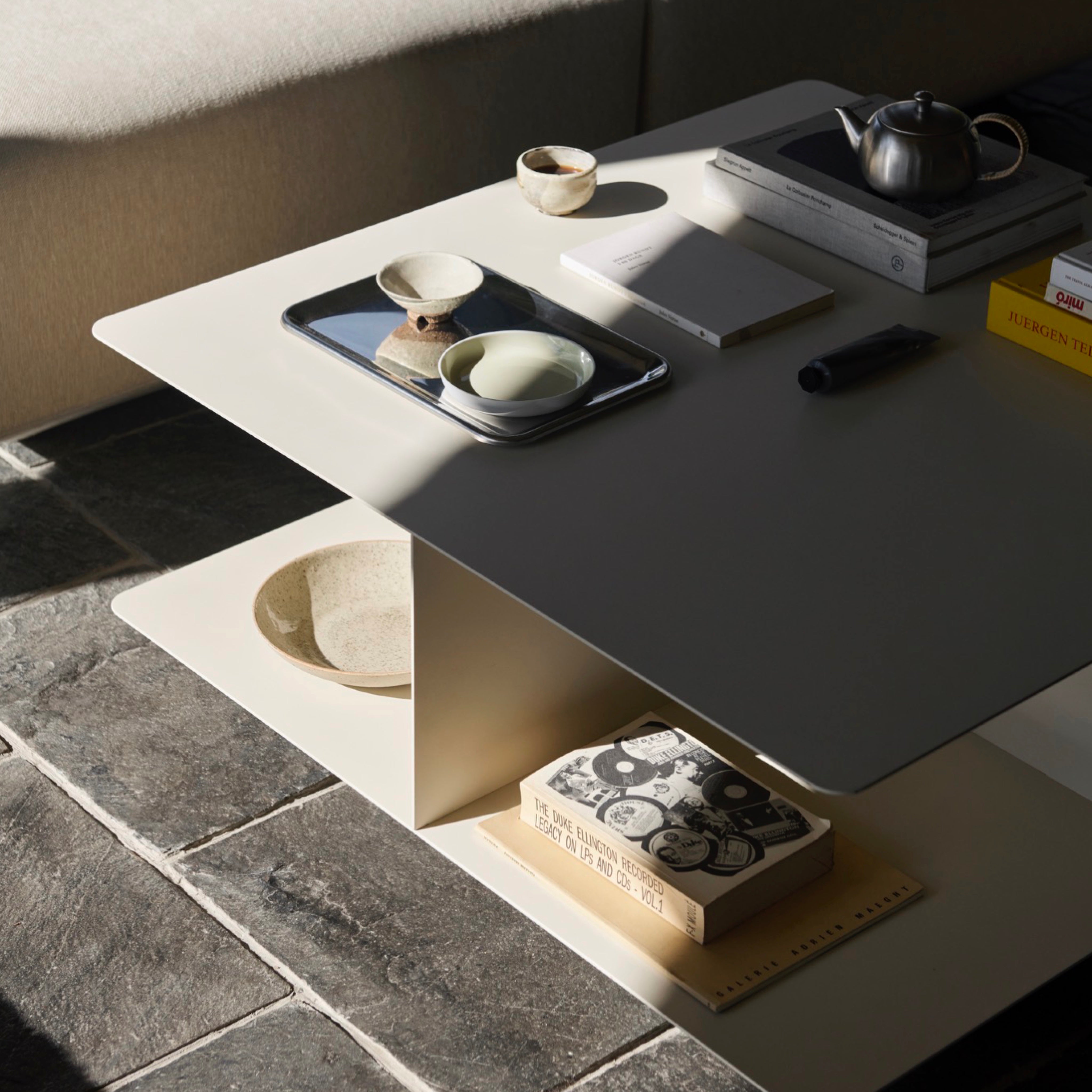
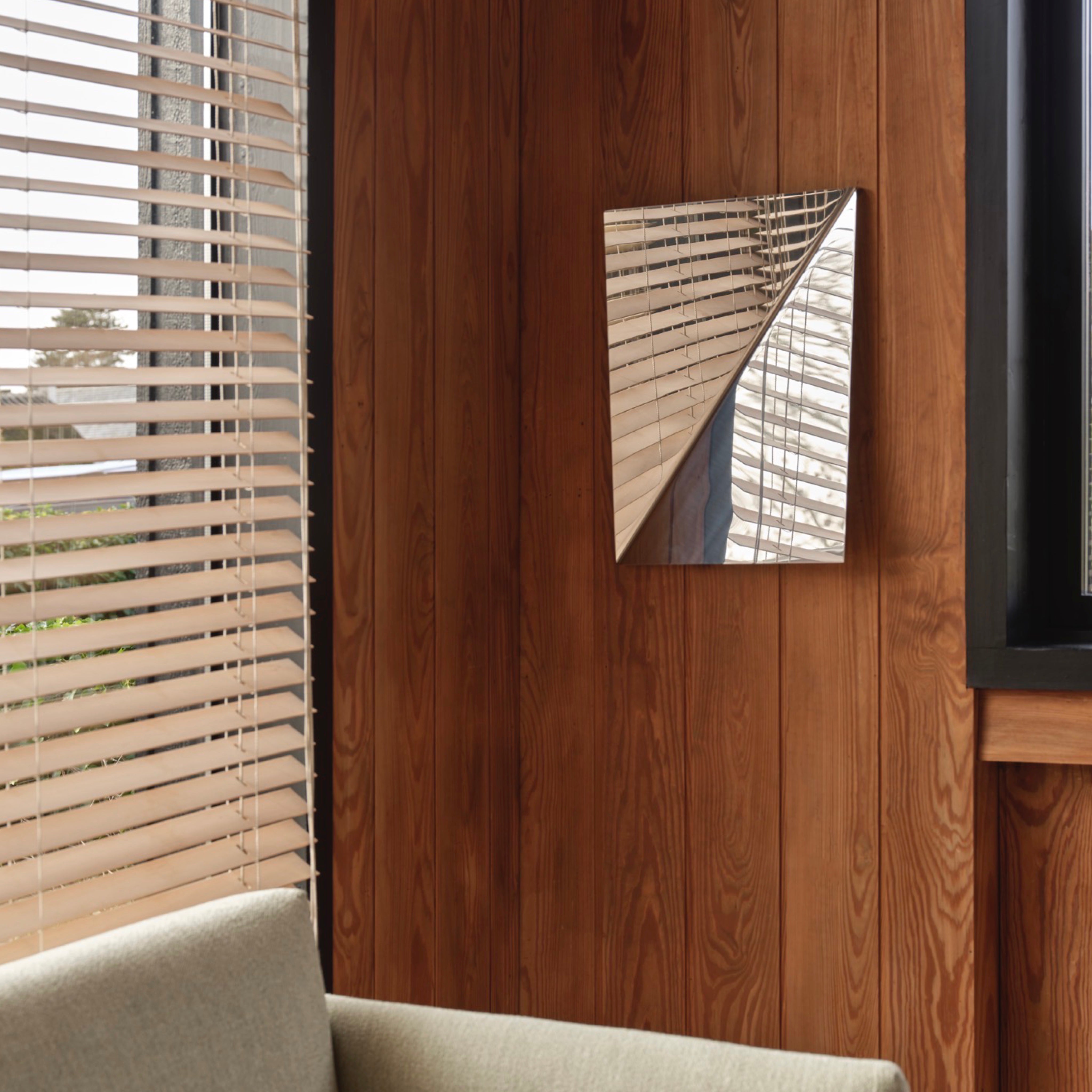

A well-lit room rarely depends on one fitting. Different lights handle general visibility, specific tasks and the softer pools of light that make a space comfortable after dark. Planning those jobs separately produces a more useful scheme.
What are the main layers of light?
General light helps people move around safely. Task light supports reading, cooking or working. Accent and decorative light draw attention to materials, artwork or architectural features. One fitting may contribute to more than one layer, but it is useful to consider each need.
Audit the room after dark rather than relying on a daytime impression. Sit in the usual places, walk the main routes and note where faces, pages and work surfaces fall into shadow. This quickly reveals whether the missing layer is general visibility, a specific task or simply warmth at a lower level.
Should ceiling lighting be the brightest source?
Not always. A pendant or ceiling light can provide a clear base level, but relying on it alone may flatten the room and create shadows. Floor, wall and table lamps bring light closer to where it is needed and allow the atmosphere to change through the evening.
A useful test is whether the room still works when the central light is switched off. It need not be bright everywhere, but the seating, route to the door and any active surface should remain comfortably legible.
Where should task lighting go?
Place it beside the activity: near a reading chair, over a dining table or on a desk. Check for glare, shadows and reflections from the normal working position. Adjustable fittings are useful where furniture or activities change.
How do you light a living room?
Begin with the seating positions. Add a reading light where it is genuinely needed, a table or floor lamp to brighten a dark corner and, if useful, indirect wall light. Several modest sources usually create more flexibility than one very bright central fitting.
Light the vertical surfaces as well as the floor. A softly lit wall, curtain or shelf can make the room feel more spacious than increasing the output of a ceiling fitting. Keep bright sources out of direct sight from the principal seats.
Should every bulb have the same appearance?
Light sources used together should generally feel coherent, but brightness and beam can vary by task. Check colour temperature, colour rendering and dimming compatibility rather than choosing on wattage alone. Integrated LEDs and replaceable bulbs require different long-term considerations.
Why are controls important?
A layered scheme is only useful when it is easy to operate. Plan switches, dimmers and smart controls around the ways the room is used. Always confirm compatibility between fittings, lamps, drivers and controls before installation.
Group controls by activity where possible: arriving, reading, dining and late-evening light may each need a simple scene. If every fitting requires a separate awkward switch, the carefully planned layers are unlikely to be used as intended.
Planning your lighting
List the activities, identify dark areas and build the scheme from several well-positioned sources. Technical compatibility and glare control should be resolved before finishes.
Build a more useful lighting scheme. Explore our lighting collection, including ceiling, wall, floor, table and portable designs.


