

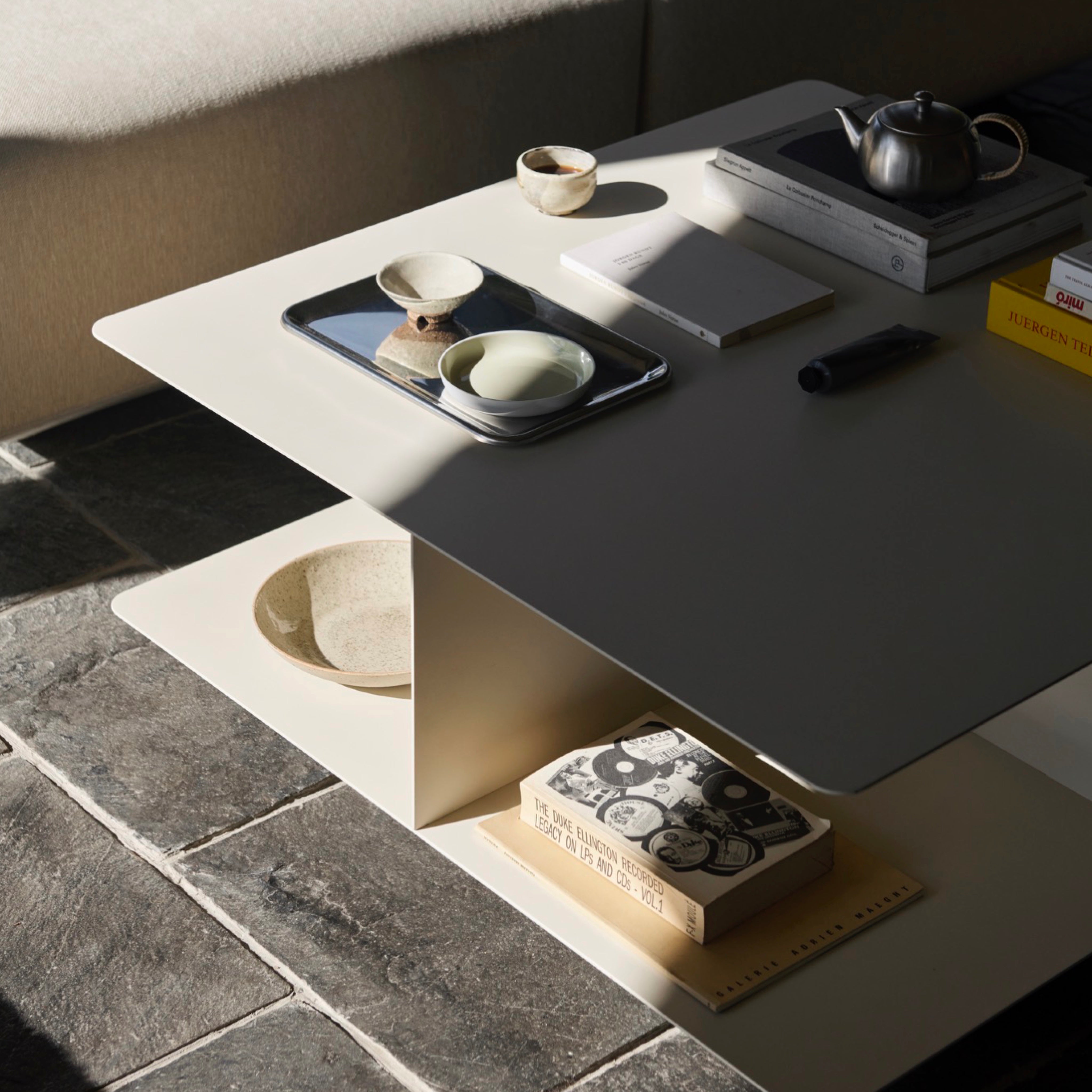
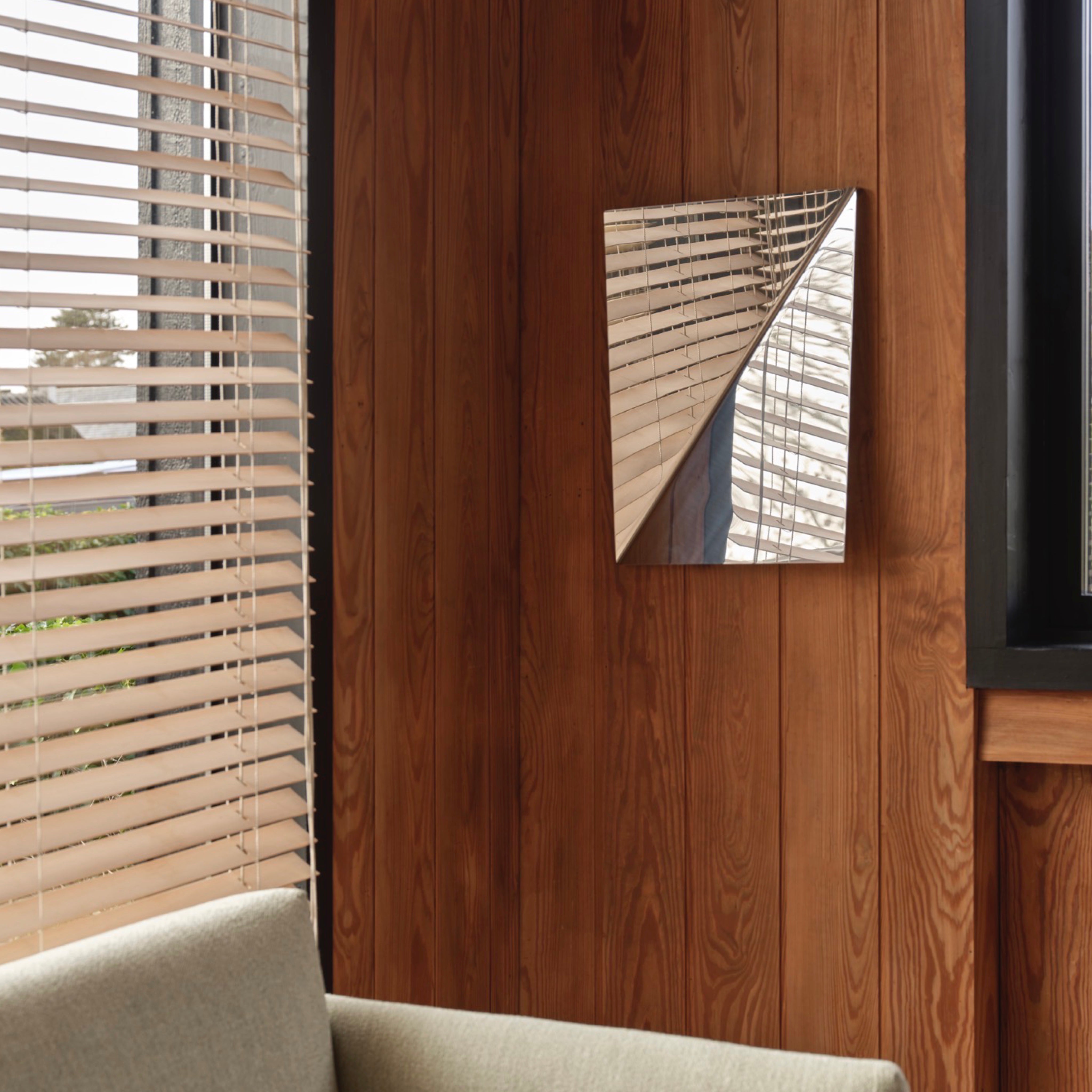
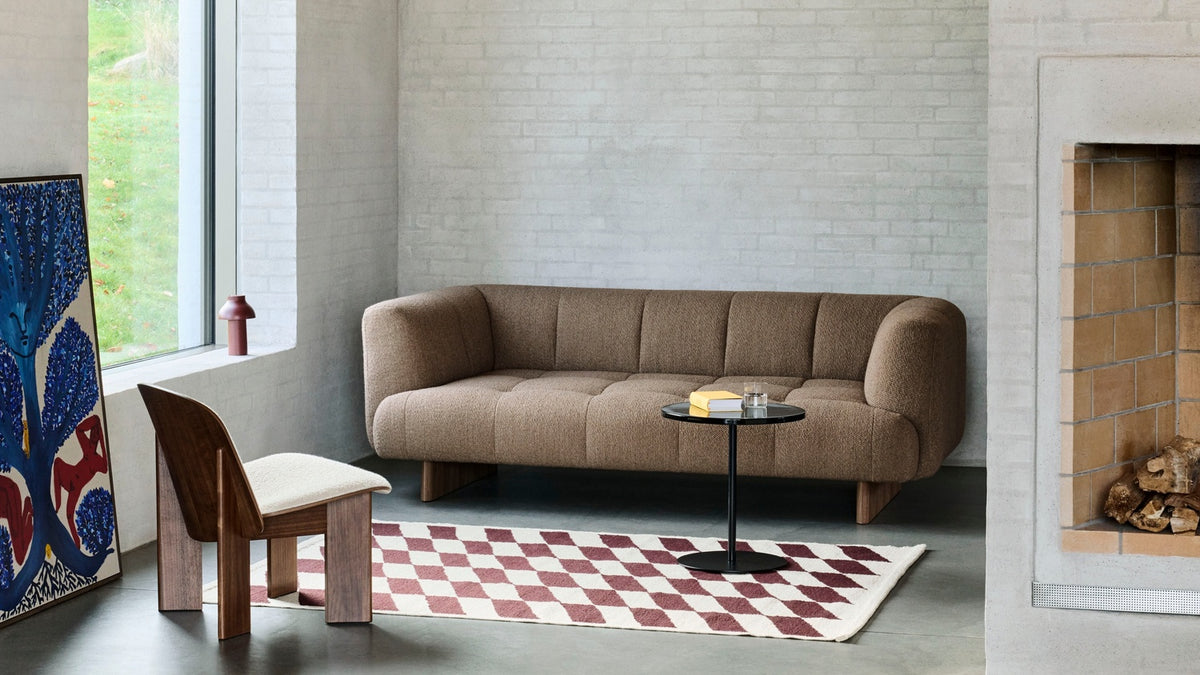
Coffee tables and side tables solve different practical needs. A coffee table creates a shared surface within a seating area; a side table keeps smaller essentials close to one seat. Before choosing either, consider what needs to sit on it and how people move through the room.
Do you need a coffee table, side table or both?
A coffee table works well when several seats need access to one surface. A side table is better for a lamp, drink or book beside an individual chair. In a compact room, two small movable tables can be more flexible than one large central table.
Think about what is placed there every day. If the main need is a reading lamp and a mug beside one chair, a central table may add obstruction without solving it. If people regularly share food, books or games, one stable surface within reach of several seats is more useful.
What height should the table be?
A coffee table normally feels comfortable when its top is around the height of the sofa seat or slightly lower. A side table often works best close to the height of the sofa or chair arm, so objects can be reached without leaning awkwardly.
These are starting points rather than fixed rules. Compare the exact table height with your seating and the way you expect to use it.
How much space should you leave around it?
Leave enough space between the sofa and coffee table to reach the surface while still moving your legs comfortably. Around the outside, protect the main route through the room. Marking the proposed footprint with tape is particularly useful for low tables, which can look smaller online than they feel in place.
Walk the route after marking it and sit down as you normally would. Include projecting sofa arms, recliners and the feet of lounge chairs. In households with children or anyone with restricted movement, rounded corners and a clear, predictable route may matter more than maximising top area.
Which shape suits the room?
Rectangular tables follow the line of most sofas and provide a generous usable surface. Round or oval tables soften a room and remove sharp corners from busy routes. A square table can suit a compact sectional arrangement, provided every seat can reach it.
Consider the base as well as the top. Splayed legs may extend beyond the visible edge, while a central base can leave more freedom for feet.
Which material is practical?
Solid timber and veneer bring warmth but should be protected from heat and standing moisture. Stone is durable and visually substantial, although it can be heavy and may require specific care. Glass keeps sightlines open but shows marks readily. Powder-coated metal is often slim and straightforward to maintain.
Always follow the maker’s care guidance and use coasters or trivets where recommended.
Consider sound and touch as well as maintenance. Cups placed on stone or metal feel different from timber, and a cold or hard surface may be less appealing where people put their feet up. The most technically durable material is not automatically the most comfortable fit for the room.
Could a nest or movable table work better?
Nesting tables provide extra surface when required and occupy less room when stored together. A light side table can move between a sofa, lounge chair and bedside. If flexibility matters, check the product weight and whether the shape is comfortable to lift.
Storage coffee tables can help where the room lacks cabinets, but check the internal dimensions and how lids or drawers open beside the sofa. Hidden storage is useful only if it remains easy to reach without clearing the tabletop each time.
Choosing your living-room table
Start with use, then compare height and footprint with your seating. The best table provides the surface you need without interrupting movement or making the room feel crowded.
Find the right surface for your seating area. Explore our coffee and side tables, or contact us for help comparing sizes and finishes.


