

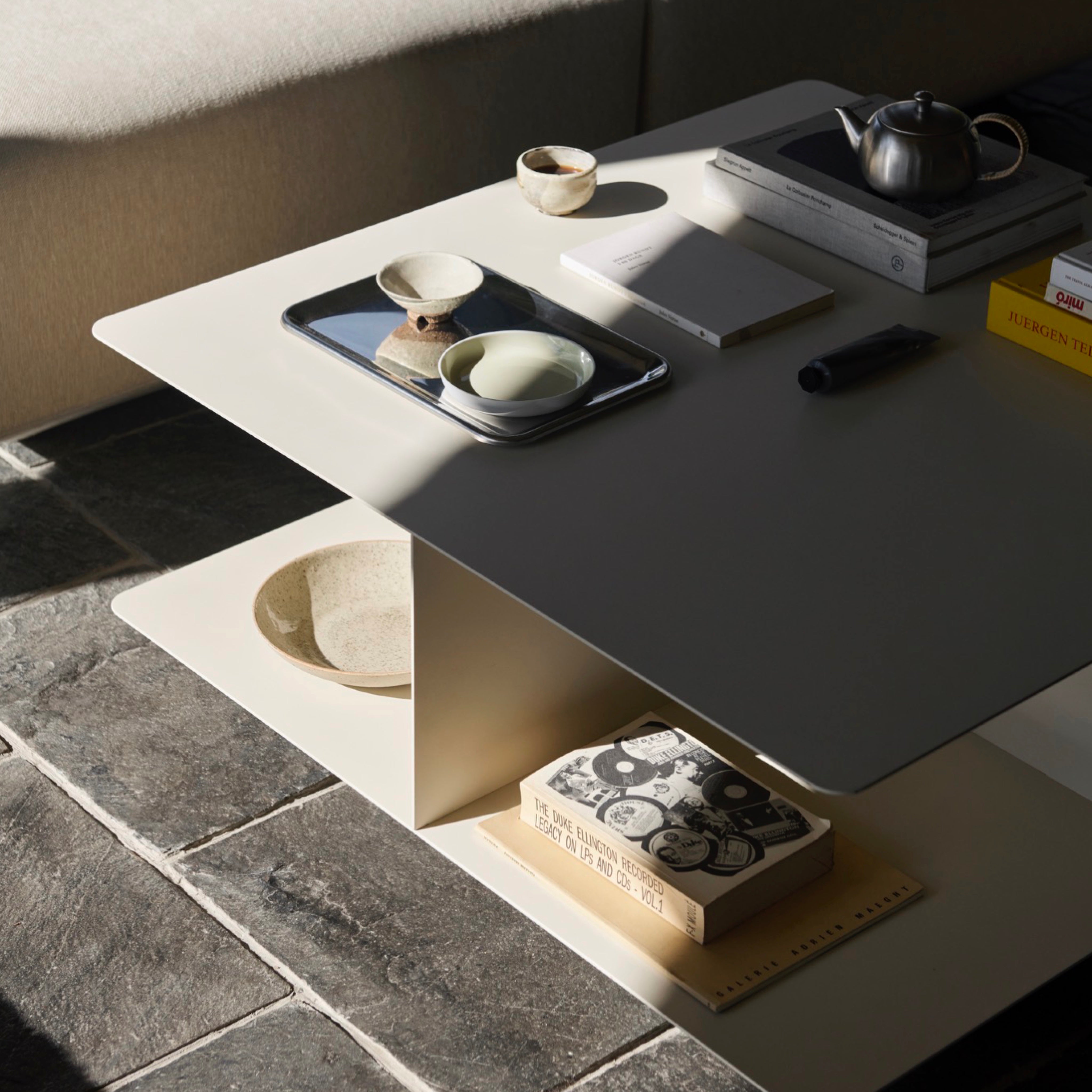
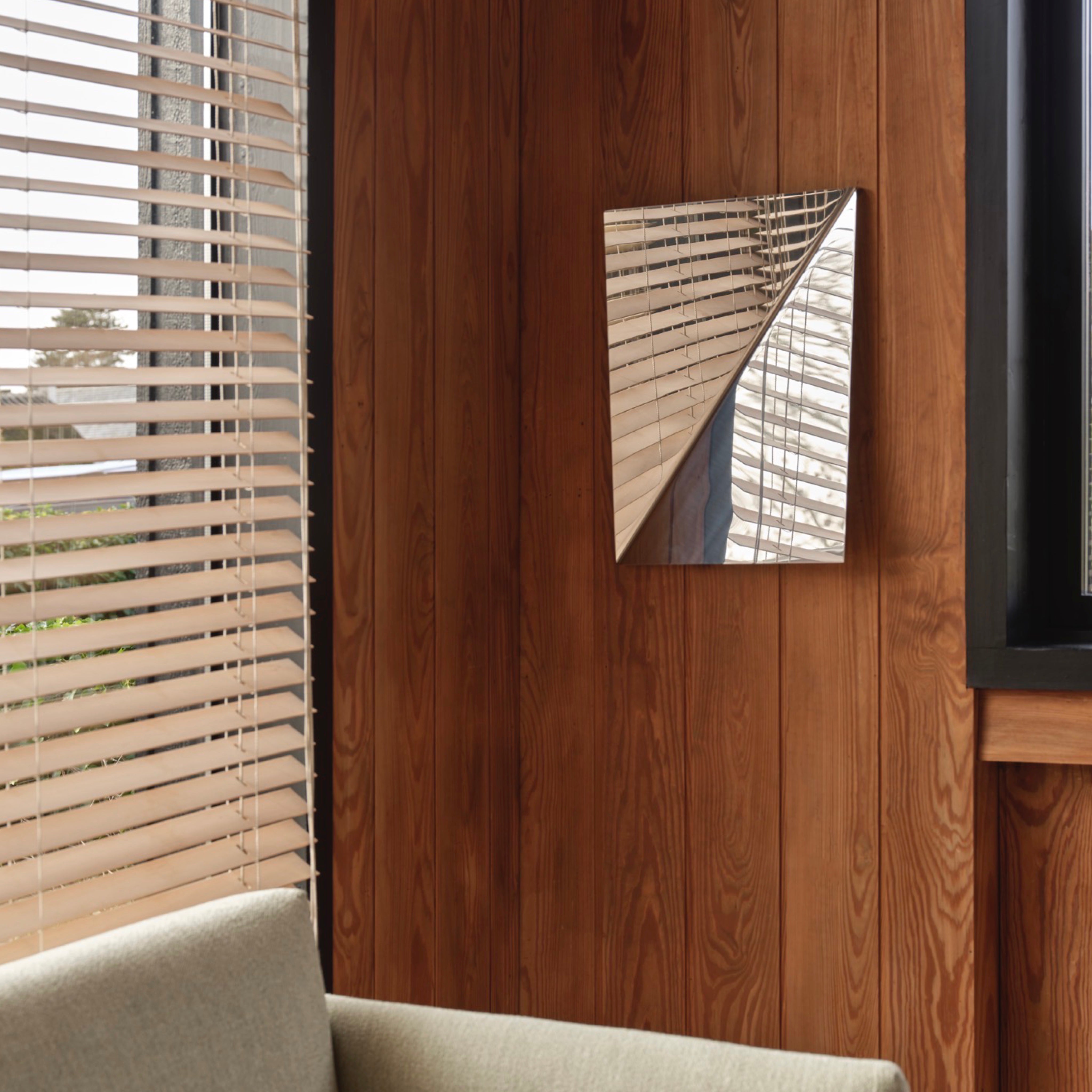

There is no single correct height for every wall light. The fitting’s purpose, the direction of its light and the position from which it will be seen all matter. A bedside reading light, hallway sconce and picture light should not be planned in the same way.
What determines wall-light height?
Start with the fitting’s job and the manufacturer’s orientation guidance. Then consider eye level, furniture height and whether the bulb or bright internal surface will be visible. Test the position on the wall before electrical work begins.
Use a paper template showing the complete fitting, not only the electrical point. Wall lights with projecting arms or broad shades can occupy far more space than their backplate suggests. If the shade moves, mark its full range as well.
How high should wall lights sit in a hallway?
In a circulation space, fittings should sit clear of shoulders and doors while avoiding glare at normal eye level. The proportions of the wall and ceiling height affect the result, so mark a proposed centre point and view it from both directions along the hall.
Repeated lights do not have to be forced into equal wall sections if doors or artwork interrupt the rhythm. It is usually better to respond to the actual architecture and achieve an even experience of light than to preserve mathematically identical gaps.
Where should bedside wall lights go?
Plan from the mattress and the reader’s position, not from the empty wall. An adjustable light should reach the page while its controls remain accessible from bed. Check the bed width, bedside furniture and future mattress height before committing to a fixed location.
For a pair, symmetry should follow the finished bed position. Confirm the outer width of the headboard and allow for each sleeper’s natural reading position. A plug-in wall light can offer more flexibility, but its cable route and socket still need to look deliberate.
How should wall lights work beside a sofa?
Make sure the fitting does not sit where a person’s head or shoulder will meet it. For reading, check the beam while seated. For ambient light, consider a shaded or indirect fitting that does not expose a bright source at close range.
How far apart should a pair be?
Spacing follows the architecture and the spread of light. Around a mirror, artwork or fireplace, use the central feature as the reference. Along a wall, repeated fittings should create an even rhythm without leaving obvious dark gaps or excessive brightness.
What must be checked before installation?
Confirm whether the fitting is hardwired, the required driver or dimmer, its permitted orientation and suitability for the location. Bathroom zones and external walls require particular care. Fixed electrical work should be completed by a suitably qualified electrician.
Ask the electrician to review the product specification before final cable positions are set. Integrated switches, remote drivers and unusually shaped backplates can affect where the supply and mounting holes need to sit.
Positioning your wall lights
Mock up the fitting’s size and centre point, then assess it from standing and seated positions. Resolve glare, controls and furniture before final installation.
Find wall lighting for the way the room is used. Explore our wall lights, or contact us to compare specifications.


